×

The Standard e-Paper
Kenya’s Boldest Voice
 The Standard Group Plc is a
multi-media organization with investments in media platforms spanning newspaper
print operations, television, radio broadcasting, digital and online services. The
Standard Group is recognized as a leading multi-media house in Kenya with a key
influence in matters of national and international interest.
The Standard Group Plc is a
multi-media organization with investments in media platforms spanning newspaper
print operations, television, radio broadcasting, digital and online services. The
Standard Group is recognized as a leading multi-media house in Kenya with a key
influence in matters of national and international interest.

Audio By Vocalize
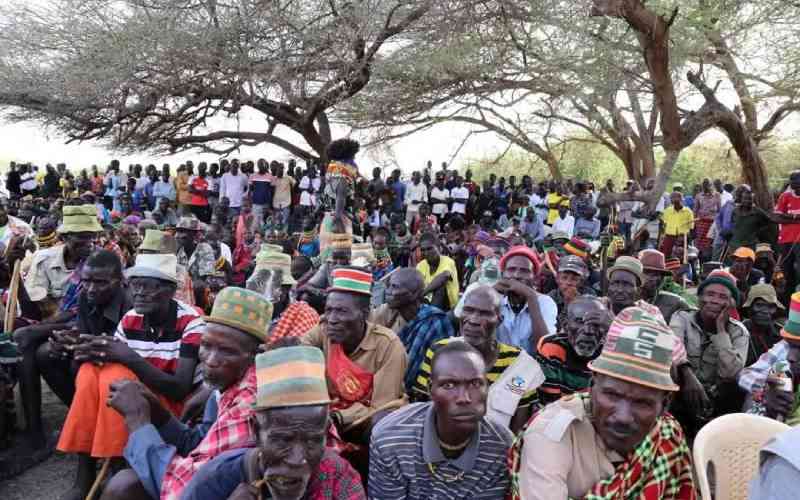
Turkana residents want deliberations on Gulf Energy's oil exploration and production plans to move beyond promises, with the necessary revenue-sharing and accountability structures established before production begins.
In the first formal discussions with the operator on revenue sharing, local taxes, environmental levies and community benefits, residents demanded transparency, accountability and clear agreements defining how the people of Turkana will benefit from the resource.
They also want clarity on the terms of the Gulf Energy oil deal, including how much revenue will reach the county and host communities.
They also want to understand how the community share will be managed and whether residents of the oil-producing region will have a meaningful role in decisions concerning the resource.
For residents who have waited since oil was discovered in 2012, the approaching production timeline has raised concerns over whether the county is adequately prepared for the financial and political realities of commercial oil production.
Samuel Komodo, the Member of the County Assembly for Lokichar Ward, said the community cannot afford to wait until production begins before demanding answers on key issues.
"This is the time for our leaders to act. We cannot wait until oil production begins and then start asking questions about our share. The community trust fund, the trustees and mechanisms for accountability must be in place before the first oil leaves Turkana," Komodo said.
Residents said the county and national governments should clearly explain the agreements governing the oil project and how the different revenue streams will be shared.
They also questioned whether communities in the oil-producing areas have been adequately consulted and whether the county has the technical capacity to independently verify production figures used to calculate its share.
Concerns have also been raised over whether the terms of the revised Production Sharing Contract will deliver meaningful benefits to people living in the oil-producing region.
Residents want clarity on the operator's obligations, its expected contribution to local development and mechanisms that will ensure the community benefits from the resource beyond corporate social responsibility projects.
Philip Eyenai, a resident of Turkana South, said many locals feel the government has moved ahead with oil development without adequately protecting the host community.
"The feeling among local people is that the government has pushed us to the wall. We have waited for this oil for many years, but the agreements must also guarantee that the people of Turkana will benefit fairly from the resource," Eyenai said.
He raised concerns over the cost-recovery provisions of the revised contract, saying Gulf Energy can recover up to 85 per cent of annual production as "cost oil" before profit oil is calculated.
"Local leaders and elders have raised concerns that such a high cost-recovery ceiling could leave little or no profit oil during the early years of production. If that happens, the five per cent community share and the county's share could remain very small or be delayed until the investor has recovered a significant portion of its costs," he said.
Stay informed. Subscribe to our newsletter
Michael Kapolon, a member of Turkana South professionals, said the county should not approach oil merely as a host community waiting for benefits but should demand a stronger stake in the resource.
"Turkana must move from being treated as a host community to being recognised as an equity partner. We cannot continue to view development projects and corporate social responsibility as a substitute for ownership.
The people of Turkana need a clear and legally protected stake in the resource beneath their land," Kapolon said.
Robert Lochio, a resident, said residents want clear agreements that guarantee tangible benefits from the resource.
"We have waited for oil for many years, and now that production is getting closer, our biggest fear is that the resource will be extracted and exported while the people living here remain poor. We want clear agreements that protect our share and ensure that the benefits of oil are felt by the people of Turkana, not just discussed in Nairobi," Lochio said.
Under the Petroleum Act, 2019, petroleum revenues are shared between the national government, county government and local community. The national government receives 75 per cent of its profit-oil share, the county government 20 per cent, while the local community is entitled to five per cent.
The community allocation is to be managed through a trust fund overseen by a board of trustees established by the county government in consultation with affected communities.
The revenue-sharing framework has previously been a source of concern in Turkana.
In 2018, the county's allocation was reduced before being restored to 20 per cent following negotiations at State House, highlighting the sensitivity surrounding oil revenue distribution.
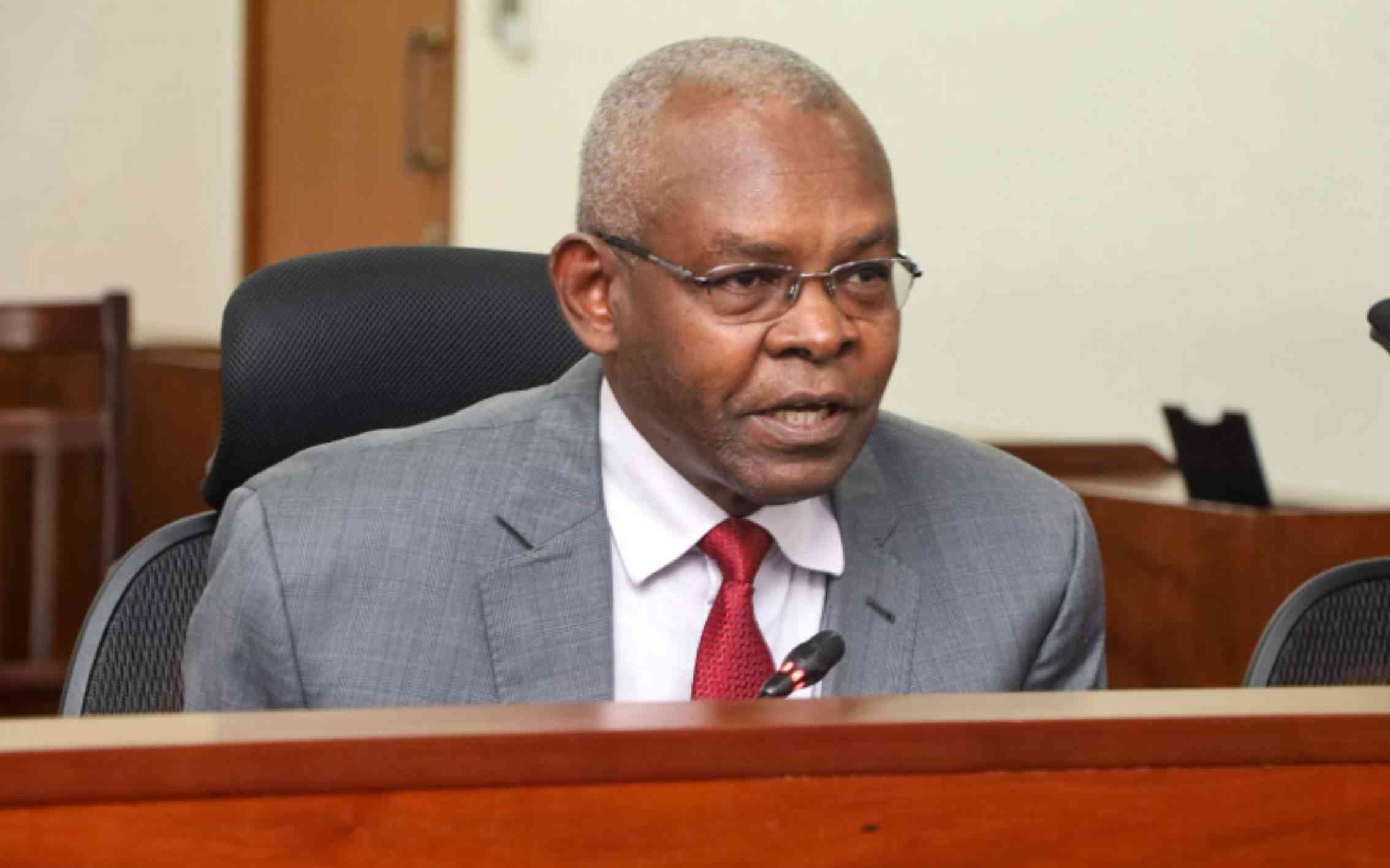
Deputy Governor Dr John Erus has said the county is committed to ensuring residents receive a fair share of the benefits while protecting local interests.
"The real test will be whether the trust fund is operational, whether the community has a meaningful voice in its management, and whether Turkana has the capacity to independently verify the figures used to calculate its revenue," he said.
Residents also want the county government to strengthen its technical and financial capacity ahead of production so that it can effectively monitor operations, verify production data and ensure that revenue due to Turkana is accurately calculated and paid.
They argue that transparency should not begin after the first oil is exported. Instead, communities should have access to clear information on production volumes, revenue calculations and the agreements that determine how the resource wealth is distributed.
In May this year, Energy and Petroleum Cabinet Secretary Opiyo Wandayi said the first export-ready consignment from the South Lokichar Basin is expected in the first week of December.
Gulf Energy has also told county leaders that the government could begin earning revenue from production as early as February 2027.
With the timeline drawing closer, residents are calling for revenue-sharing structures, the community trust fund and accountability mechanisms to be fully operational before the first oil is exported.
For many in Turkana, the central question is no longer whether oil will be produced, but whether the people whose land hosts the resource will have a clear, protected and meaningful stake in the wealth it generates.



Subscribe to our newsletter and stay updated on the latest developments and special offers!







 join
join