×

The Standard e-Paper
Smart Minds Choose Us
 The Standard Group Plc is a
multi-media organization with investments in media platforms spanning newspaper
print operations, television, radio broadcasting, digital and online services. The
Standard Group is recognized as a leading multi-media house in Kenya with a key
influence in matters of national and international interest.
The Standard Group Plc is a
multi-media organization with investments in media platforms spanning newspaper
print operations, television, radio broadcasting, digital and online services. The
Standard Group is recognized as a leading multi-media house in Kenya with a key
influence in matters of national and international interest.

Audio By Vocalize
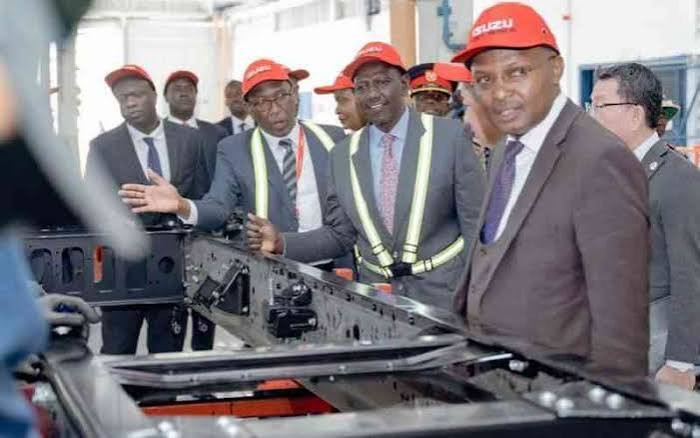
Kenya's automotive industry is gradually shifting towards locally assembled brand-new vehicles, driven by increased investment in manufacturing, expanding transport infrastructure and improved access to vehicle financing.
Industry players say the trend has created new opportunities for local manufacturers while supporting employment and strengthening the country's industrial base.
Asset financing being embraced by several dealers has enhanced the sale of trucks and is expected to dominate the highways in the country and the region.
The sector has traditionally been dominated by imported second-hand vehicles, but assemblers say consumer preferences are slowly changing as more businesses and private buyers opt for new vehicles that come with manufacturer warranties, readily available spare parts and structured after-sales support.
The shift is also being attributed to financing solutions that have made new vehicles more affordable to businesses and fleet operators.
The growing demand comes at a time when Kenya continues to invest heavily in the transport infrastructure, including roads, ports and regional trade corridors.
These developments are expected to increase the movement of goods within Kenya and across East Africa, creating sustained demand for commercial trucks, passenger vehicles and vehicle maintenance services.
Industry stakeholders argue that expanding local assembly could help reduce dependence on imported used vehicles while creating jobs across manufacturing, engineering, logistics and after-sales services.
Speaking during the launch of a financing partnership with Equity Bank, TransAfrica Motors Financial Controller Mr Yusuf Noorani said the company has significantly expanded its local assembly operations since establishing its assembly plant in 2014.
"Our assembly plant has grown from producing about 200 units to more than 3,000 units today. We are assembling both FAW trucks and Jetour passenger vehicles locally, and that growth has created employment opportunities for Kenyans," said Noorani.
He noted that more customers are now opting for brand-new vehicles because of improved reliability and after-sales support.
"We are seeing more Kenyans buying brand-new vehicles rather than second-hand ones. With a zero-mileage vehicle, you get a five-year warranty, after-sales service and better reliability, making it a worthwhile investment," he added.
To support the expected increase in commercial transport, TransAfrica Motors general manager Faiz Awadh announced plans to establish a modern truck service facility in Mlolongo, Nairobi.
"We are planning to put up a state-of-the-art workshop facility in Mlolongo that will employ over 400 people. It will operate 24 hours a day and have the capacity to service up to 300 trucks at a time, reducing turnaround time for transporters using the Northern Corridor," said Awadh.
Stay informed. Subscribe to our newsletter
The company says the workshop will initially serve FAW trucks before expanding its services depending on demand.
The expansion comes as Kenya continues to invest in major transport infrastructure, including roads, ports and regional trade corridors, developments expected to increase demand for commercial vehicles across the country and the wider East African region.
Apart from TransAfrica Motors, Isuzu East Africa has also embraced asset financing for its range of locally assembled vehicles, including the Isuzu FRR 90N-series trucks.
Asset financing and vehicle leasing programmes are said to have pushed sales for the locally assembled vehicles, including the luxury brands, posing competition for imported used vehicles in the country.
Meanwhile, financial institutions are also responding to the industry's growth by developing financing products aimed at making new vehicles more accessible to businesses and individual buyers.
Equity Bank head of asset financing Beatrice Nyambura said the lender's financing model is designed to support customers with proven repayment histories while encouraging investment in productive assets.
The bank recently partnered with TransAfrica Motors in offering an asset financing package that is expected to drive up sales for new vehicles.
"We are financing up to 95 percent for FAW trucks and 100 percent for Jetour passenger vehicles, with repayment periods of up to 72 months. We have structured this based on customers we understand and have supported over the years," she said.
Nyambura said the bank expects demand for commercial vehicles to continue growing as infrastructure projects expand across the country.
"We have seen customers grow from owning one truck to managing fleets of hundreds. With continued investment in roads, ports and regional trade, we expect demand for transport assets to keep increasing, and we want to support that growth," she added.
The partnership between Equity Bank and TransAfrica Motors is expected to improve access to financing for locally assembled vehicles while supporting the continued growth of Kenya's automotive manufacturing sector.
Although the announcement centred on a commercial partnership, it also reflects the broader transformation taking place within Kenya's automotive industry, where increased local assembly, infrastructure investment and improved financing are gradually reshaping the market for new vehicles.
Subscribe to our newsletter and stay updated on the latest developments and special offers!






 join
join