
 The Standard Group Plc is a multi-media organization with investments in media
platforms spanning newspaper print
operations, television, radio broadcasting, digital and online services. The
Standard Group is recognized as a
leading multi-media house in Kenya with a key influence in matters of national
and international interest.

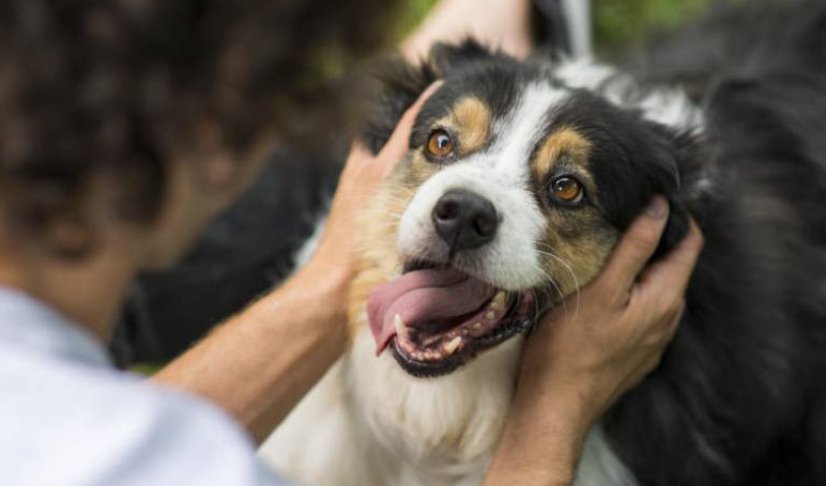
Kenya is forecast to receive above-average rainfall across much of the country during the October-December season, raising concerns over pets' exposure to infections and parasites.
The Kenya Meteorological Department (KMD) expects above-average rainfall in 80 per cent of the country, including Nairobi, with prolonged wet spells and occasional storms in several regions. The forecast has prompted calls for households to prepare for possible flooding and other weather-related risks.
Floodwater and stagnant puddles can expose animals to disease-causing organisms, particularly when they come into contact with water or soil contaminated by infected animals. One disease associated with such exposure is leptospirosis, a bacterial infection that affects both animals and humans.
Rosebella Ochango, a veterinary professional and business developer at PetStore Kenya, warns that pet owners need to strengthen preventive healthcare during the rainy season to protect their animals from infections and other weather-related health problems.
“Pet owners should prioritise preventive healthcare, maintain appropriate vaccination schedules and keep up with parasite-control schedules,” Ochango advises.
Leptospirosis spreads through the urine of infected animals, which can contaminate water and soil. Dogs can contract the infection by drinking contaminated water or coming into contact with contaminated environments, while cats can also be exposed, particularly those that roam outdoors.
The infection can cause symptoms ranging from fever, lethargy and loss of appetite to kidney damage and other serious complications. Pet owners should contact a veterinarian if they suspect their animals have been exposed.
Ochango recommends keeping pets away from floodwater and drying them thoroughly after outdoor activities, particularly around their paws, ears and areas where moisture can accumulate.
Persistent itching, skin lesions, vomiting, diarrhoea, lethargy or loss of appetite should prompt veterinary assessment.
Preventing infections through proper care
Parasite control should continue throughout the year, with owners following treatment programmes suited to their animals' species, age, lifestyle and exposure risks.
Ochango advises pet owners to consult veterinarians when selecting flea, tick and worm-control products rather than choosing treatments without considering the animal's needs.
Some treatments intended for dogs can harm cats. Certain flea and tick products containing permethrin, for instance, are highly toxic to cats.
Environmental hygiene is equally important. Owners should keep sleeping areas clean and dry, dispose of animal waste promptly and prevent pets from drinking stagnant water or scavenging contaminated material.
Vaccination is another part of preventive healthcare, particularly for puppies and animals that have not completed their vaccination schedules. Owners should consult veterinarians on the vaccines their pets need and when booster doses are due.
Most healthy dogs and cats do not need a change in diet simply because the weather becomes cold or wet. Their nutritional requirements depend on factors such as age, activity levels, body condition and health.
However, food storage becomes important during humid conditions. Dry food should be kept in a cool, dry place, preferably in its original packaging inside an airtight container. Owners should discard food showing signs of mould or contamination.
Wet food should not remain exposed for prolonged periods. Uneaten portions should be discarded after feeding, while opened tins should be covered and refrigerated according to the manufacturer's instructions.
Ochango advises owners to maintain clean feeding bowls and provide fresh drinking water daily. Any change in food should be introduced gradually to reduce the risk of digestive problems.
Grooming also requires attention during the rainy season, particularly for animals that spend time outdoors.
Mud and moisture can become trapped in coats, leading to matting and skin irritation. Owners should brush their pets regularly and dry them after walks, paying particular attention to the paws, belly, armpits, ears and skin folds.
Bathing should be done when necessary, using shampoos designed for animals. Excessive bathing can strip natural oils from the skin and contribute to irritation.
For pets with persistent skin problems, unusual odour, ear discharge or excessive scratching, veterinary assessment is recommended.
Muddy paws also require attention after outdoor activities. Owners should rinse them with clean water or wipe them using a clean damp cloth before drying them thoroughly.
They should check between the toes for trapped mud, stones and other debris. Bleach, household disinfectants and harsh chemicals should not be used on paws as they can irritate the skin and may poison animals if licked.
Shelter, exercise and emergency preparedness
Beyond feeding and grooming, pets need a dry and comfortable environment during prolonged rainfall.
Dogs and cats should have access to sheltered sleeping areas with dry bedding, away from leaking roofs, draughts and wet floors.
Ochango recommends raising pet bedding off cold floors and providing additional blankets where necessary. Puppies, kittens, elderly animals, underweight pets and short-coated breeds may require extra protection from cold conditions.
Owners should avoid placing pets near open flames, charcoal stoves or unprotected heaters, which can cause burns and other injuries.
Outdoor walks may also need adjustment when heavy rainfall makes paths slippery or exposes animals to flooding.
Short walks during breaks in the rain can help maintain physical activity. Where outdoor exercise is unsafe, owners can use indoor games, food puzzles, scent activities and short training sessions to keep dogs occupied.
Cats can benefit from interactive toys, scratching posts, climbing structures and food puzzles when they spend more time indoors. These activities provide mental stimulation and help prevent boredom when pets cannot spend as much time outdoors.
Thunderstorms can also frighten dogs and cats, with loud noises and flashes of lightning triggering anxiety.
Owners can provide a quiet resting area, close windows and curtains and use soft music or white noise to reduce the impact of sudden sounds.
Ochango advises against punishing frightened animals, noting that owners should allow them to retreat to familiar, secure spaces.
Pets with severe or persistent fear of thunderstorms may require veterinary assessment. Behavioural training or prescribed medication may be considered depending on the animal's condition.
Flood preparedness is another part of responsible pet ownership. Owners should inspect kennels, fences, gates and drainage systems before heavy rainfall. Outdoor shelters should have waterproof roofs, raised sleeping surfaces and proper drainage to prevent water from collecting around them.
Cats that spend time outdoors should have access to secure shelter, while keeping them indoors during heavy rainfall and flooding can reduce their exposure to danger.
Ochango recommends preparing an emergency kit containing pet food, clean drinking water, medication, vaccination records, a lead or carrier and identification details.
Owners should include their animals in household evacuation plans and identify safe places where they can take them if flooding threatens their homes.
Keeping vaccination records accessible can also help veterinary professionals provide care during emergencies. Pet owners can organise these records in advance and ensure they can access them when seeking veterinary assistance.
Ochango says preparing before heavy rainfall begins can help prevent avoidable health problems and reduce the risks pets face during extreme weather.
She urges owners to maintain routine veterinary care and seek professional attention when animals show signs of illness rather than attempting to treat serious conditions at home.












 join
